
PRIMACYT – Field Mouse liver subcellular fractions

Our Strengths
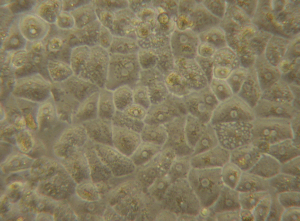
PRIMACYT is one of the pioneers in the development of advanced in vitro model systems. We are a leading company in the field of research of human and animal hepatocytes.
In 2008, we have received the Research Prize of the German Ministry of Nutrition, Agriculture and Consumer Protection for the “Development and validation of a serum-free, standardized and re-usable human hepatocyte culture system for the analysis of food, drugs and chemicals”.
PRIMACYT is approved by the European Commission as an EU Reference Laboratory for Alternatives to Animal Testing (EURL ECVAM) since 2013 and serves as a member of the laboratory network responsible for the method validation.
Main products, liver-derived and skin-derived products, are cryopreserved at the first passage stage, and the product information below clearly states the viability, recovery rate, suitable plates for culture, and test results for 3D culture.
Field Mouse liver subcellular fractions Order Information
Overview
The liver fulfills many vital processes in mammals. It is the central organ of energy metabolism, responsible for the maintenance of the blood sugar level and the synthesis of plasma proteins under physiological and pathophysiological conditions.
Hepatocytes are the most prominent cells within the liver. Hepatocytes eliminate toxic substances from the blood. In this biotransformation process transporter proteins (influx and efflux transporter), phase I reactions (cytochrome P450 proteins), phase II reactions (mainly glucuronidation and sulfatation) play a central role.
Subcellular liver fractions are a simple but easy to use model system to study Phase I and Phase II reactions, perfectly suited for in vitro metabolism and toxicity / detoxification studies prior to preclinical or clinical tests.
Literature
In drug development, at least two in vivo repeated-dose toxicity studies of a drug candidate have to be performed in two different animal species before human studies can be initiated (https://www.fda.gov/downloads/drugs/guidancecomplianceregulatoryinformation/guidances/ucm292340.pdf). In most cases these species are mouse or rat and dog or monkey.
Hepatotoxicity is a major cause for failure in drug development. For interpretation of hepatotoxicity data, it is important to understand potential interspecies differences in mechanisms that lead to drug toxicity. This includes
- ・drug uptake into the liver,
- ・biotransformation of the drug (Phase I and Phase II), and
- ・drug efflux from the liver
Interspecies differences in expression and activities in transport proteins and biotransformation enzymes may result in different intra- and extrahepatic concentrations of the drug.
Subcellular liver fractions are a simple model system for the analysis of drug biotransformation reactions. They are also used for biodegradation and bioaccumulation studies of chemicals like e. g. herbicides or pesticides.
Product List
| Product Code | Lot | Sex | Inventory (vials) | Specification | Characterisation | Protein (mg/mL) | Unit Size (mL) |
|---|---|---|---|---|---|---|---|
| FML-S9-1P3 | FML171211 | male | 3 in stock | S9, Pool of 3 | Phase I, SDS PAGE | 20 | 1 |
| FML-S9-2P3 | FML171211 | female | 4 in stock | S9, Pool of 3 | Phase I, SDS PAGE | 20 | 1 |
| FML-S9-3P6 | FML171211-2 | mixed (3 m, 3 f) | 8 in stock | S9, Pool of 6 | Phase I, SDS PAGE | 20 | 1 |
| FML-S93P6 | FML171211 | mixed (4 m, 2 f) | 1 in stock | S9, Pool of 6 | Phase I, SDS PAGE | 20 | 1 |
Please contact us for any inquiries, questions, or information requests.
Tokyo Future Style, Inc.
info@tokyofuturestyle.com
TEL:029-851-9222 FAX:029-851-9220
