
PRIMACYT – Cat (Feline) Liver Cells

Our Strengths
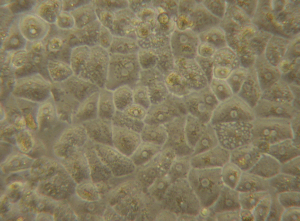
PRIMACYT is one of the pioneers in the development of advanced in vitro model systems. We are a leading company in the field of research of human and animal hepatocytes.
In 2008, we have received the Research Prize of the German Ministry of Nutrition, Agriculture and Consumer Protection for the “Development and validation of a serum-free, standardized and re-usable human hepatocyte culture system for the analysis of food, drugs and chemicals”.
PRIMACYT is approved by the European Commission as an EU Reference Laboratory for Alternatives to Animal Testing (EURL ECVAM) since 2013 and serves as a member of the laboratory network responsible for the method validation.
Main products, liver-derived and skin-derived products, are cryopreserved at the first passage stage, and the product information below clearly states the viability, recovery rate, suitable plates for culture, and test results for 3D culture.
Cat (Feline) Liver Cells Order Information
Overview
The liver fulfills many vital processes in mammals. It is the central organ of energy metabolism, responsible for the maintenance of the blood sugar level and the synthesis of plasma proteins under physiological and pathophysiological conditions.
Hepatocytes are the most prominent cells within the liver. Hepatocytes eliminate toxic substances from the blood. In this biotransformation process transporter proteins (influx and efflux transporter), phase I reactions (cytochrome P450 proteins), phase II reactions (mainly glucuronidation and sulfatation) play a central role.
Literature
Compared with human drugs, the research and development of veterinary drugs is relatively lagging behind but the size of the veterinary drug market is increasing year by year.
As more and more people choose cats as companion animal, they also take care about the well-being of their pets. Cats, as every other mammal, can develop nearly any type of liver disease that is also known in humans.
Most common are:
- ・Hepatic Lipidosis (Fatty liver disease), mainly in obese cats, but can affect any cat. Fat deposition in the hepatocytes leads to hepatocyte swelling and to acute loss of hepatocyte function.
- ・Hepatitis (Inflammation of the liver), can be caused by bacterial or viral infection, parasites
- ・Cholangiohepatitis (Inflammation of the liver and the bile ducts), also caused by parasites, viral or bacterial infection.
- ・Liver cancer
When compared with dogs, cats have different anatomy and biochemical make-up particularly with regard to their liver. While in dog bile duct and pancreatic duct are separated, in cats the bile duct joints the pancreatic ducts. This allows for reflux and mixing of gastrointestinal contents with bile and pancreatic secretions.
Biotransformation and Catabolic capabilities:
Cats have a relative deficiency in Phase II enzymes, in particular of the enzyme Glucuronyltransferase, which means they have a reduced capacity to metabolise certain toxins and drugs.
Cats are carnivores. They have a high activity of protein-catabolising enzymes and, therefore, a high protein requirement, which cannot be down-regulated quickly, even in conditions of starvation or illness.
Hormones like Glucagon or Corticoids fail to stimulate proteolysis in cat hepatocytes.
Further reading
D.C. Twedt: Update on Feline Hepatobiliary Disease. J Feline Med Surg 8 (5): xi–xiv (2006), doi: 10.1016/S1098-612X-06-00125-2
J.M Cullen: Summary of the World Small Animal Veterinary Association Standardization Committee Guide to Classification of Liver Disease in Dogs and Cats. Vet Clin North Am Small Anim Pract. 39 (3): 395–418 (2009) doi: 10.1016/j.cvsm.2009.02.003
S.V. Primal, S. Silva, and J.R. Mercer: The control of protein degradation in monolayer cultures of cat hepatocytes. Int. J. of Biochemistry 24 (10): 1651-1656 (1992), https://doi.org/10.1016/0020-711X(92)90183-2
Product List
| Product Code | Lot | Sex | Inventory (vials) | Viability (%) | Recovery (Viable cells/vial) | plateable 24well | plateable 96well | 3D culture | CYP1A1/1A2 induction Xfold |
|---|---|---|---|---|---|---|---|---|---|
| FHCP-I | SZFD | male, pool of 3 | 24 in stock | 81.1 | > 6 Mio. | yes | no | no | 2.1 |
※FHCP-I: Feline Hepatocytes Cryopreserved Plateable for Induction assays
Please contact us for any inquiries, questions, or information requests.
Tokyo Future Style, Inc.
info@tokyofuturestyle.com
TEL:029-851-9222 FAX:029-851-9220
